
Humanity’s challenge is no longer simply to reduce emissions. It is to preserve a stable and liveable world while adapting to changes that are already underway.
We are now at the beginning of this acceleration.
1. Stop making the problem worse
Global temperatures will only stabilize when humanity reaches net-zero CO₂ emissions. This requires rapidly reducing fossil-fuel use, cutting methane emissions, expanding clean electricity and improving energy efficiency.
2. Protect the systems that sustain life
Forests, soils, oceans, freshwater and biodiversity regulate the climate and support food production. Protecting and restoring these systems is therefore not separate from climate action—it is part of humanity’s basic life-support strategy.
3. Adapt to unavoidable climate impacts
Heatwaves, droughts, fires, flooding and electricity disruptions are already affecting communities. Cities must be redesigned to protect people, particularly the most vulnerable.
Adaptation means cooler streets, resilient energy and water systems, stronger infrastructure, protected food supplies and buildings that remain habitable during extreme conditions.
4. Remove carbon from the atmosphere
Emissions reductions must remain the priority. But carbon removal will also be required to balance residual emissions and potentially reduce part of the excess CO₂ already accumulated in the atmosphere.
This will require a combination of ecosystem restoration, biochar, carbon mineralization, enhanced weathering and direct air capture—with strict standards for permanence and environmental impact.
The role of buildings
Buildings are where climate, energy, health and human safety meet.
The buildings and construction sector produces approximately 37% of global CO₂ emissions and uses nearly half of the materials extracted worldwide. Transforming it is therefore one of humanity’s largest climate opportunities.
Future buildings must:
- Resist heat through shading, insulation, ventilation and reflective surfaces.
- Use clean energy efficiently through heat pumps, solar power, storage and intelligent controls.
- Remain habitable during heatwaves and electricity disruptions.
- Use low-carbon, recycled and carbon-storing materials.
- Retain rainwater and reduce flood risks.
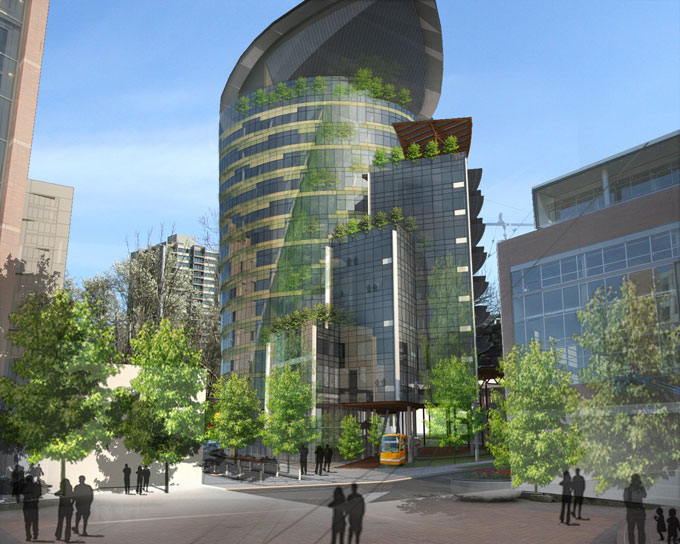
- Integrate trees, green roofs and biodiversity.
- Adapt their electricity consumption to reduce pressure on the grid.
Buildings should no longer be passive structures that merely consume fewer resources.
They should become climate infrastructure: protecting people, supporting energy systems, cooling cities, storing carbon and helping communities survive environmental shocks.
The objective is not simply to build “greener” buildings.
It is to create buildings capable of sustaining human life in a hotter, less predictable world.